45,500-Tonne Windpiper Becomes World’s Largest SRI Vessel
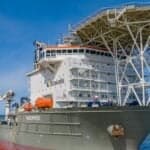


The world’s largest subsea rock installation vessel, Windpiper, has arrived in Rotterdam in the Netherlands for final outfitting and commissioning before starting its first offshore project later this year.
The vessel reached the port in early April 2026 and is now docked at Waalhaven, where it will undergo final upgrades. After this phase, it is expected to begin its first rock installation work in the Baltic Sea.
Windpiper has been developed by Boskalis and has a rock-carrying capacity of 45,500 tonnes, making it the largest vessel of its kind. It is 227 metres long and 40 metres wide, with a total installed power of more than 31,000 kilowatts.
The company had announced the vessel in January 2025. At that time, it served a different purpose. It has since been converted into a subsea rock installation vessel through extensive modification work.
As part of the conversion, two large rock holds were added and an inclined fall pipe system was installed.
This system works together with the vessel’s moonpool and allows it to place rock with high precision on and around offshore structures. This is important for protecting structures such as offshore wind turbine foundations.

The vessel is fitted with seven thrusters and has Dynamic Positioning Class 2 (DP2) capability. This allows it to maintain its position and heading automatically, even if one system fails, which is important for operations in offshore conditions.
Boskalis stated that the vessel is designed to perform in challenging offshore environments and will strengthen its position in the subsea rock installation market, where it already operates three similar vessels.
Windpiper’s total capacity is split between two holds, which makes it suitable for projects that involve long distances between loading ports and offshore sites.
Such conditions are common in areas like the Baltic Sea, the southern North Sea and the North American east coast. The larger capacity means fewer trips are needed, which can help reduce emissions and lower costs per project.
The vessel also has more than 100 single-occupancy cabins, providing private accommodation for crew members and client representatives on board.
Boskalis noted that converting an existing vessel helped bring it into service faster compared to building a new one, while also extending the vessel’s working life.
After completing commissioning in Rotterdam, Windpiper will move to its first assignment in the Baltic Sea later in 2026.
References: interestingengineering, offshore energy
Want to read more?
Check out the full article on the original site